Recovering from an injury can be a slow process for dogs, but the right exercises may help restore strength, flexibility, and confidence. Whether your dog is healing from surgery, a muscle strain, or another orthopedic injury, controlled movement is often an important part of rehabilitation.
Always follow your veterinarian’s rehabilitation plan before starting or changing your dog’s exercise routine.
Why Exercise Matters During Recovery
After an injury, dogs naturally reduce their activity, which can lead to muscle loss, joint stiffness, and decreased mobility. Safe rehabilitation exercises may help:
- maintain muscle mass
- improve circulation
- reduce stiffness
- restore normal movement
- build confidence
The goal is gradual progress—not rushing your dog’s recovery.
1. Controlled Leash Walks
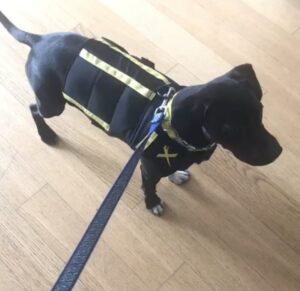
Short, slow leash walks are one of the safest exercises during rehabilitation.
- walk on flat, even surfaces
- keep a slow pace
- avoid running or sudden turns
- increase distance gradually as approved by your veterinarian
Walking helps maintain conditioning without placing excessive stress on healing tissues.
2. Gentle Range of Motion Exercises
Passive range of motion (ROM) exercises may help maintain flexibility and reduce stiffness in healing joints.
- move the affected limb gently through its comfortable range of motion
- never force movement
- stop immediately if your dog appears uncomfortable
Your veterinarian or canine rehabilitation therapist can demonstrate the safest technique.
3. Sit-to-Stand Repetitions
Once approved, sit-to-stand exercises help strengthen the hind legs, hips, and core.
- Ask your dog to sit.
- Use a treat to encourage standing.
- Repeat slowly with controlled movement.
Focus on proper form rather than a high number of repetitions.
4. Weight-Shifting Exercises
Weight shifting helps your dog gradually rebuild strength and stability in the affected limb.
While your dog is standing comfortably, encourage gentle side-to-side weight shifts using a treat or your hand as a guide.
5. Balance Exercises
Balance training improves coordination and activates the small stabilizing muscles that support recovery.
Examples include:
- standing evenly on all four feet
- gentle weight shifts
- figure-eight walking
- balance cushions under professional supervision
Learn more in Best Balance Exercises for Dogs.
6. Cavaletti Pole Exercises
As your dog’s recovery progresses, walking over low cavaletti poles can improve coordination, stride length, and body awareness.
Keep the poles low and allow your dog to move slowly without jumping.
7. Swimming (When Approved)
Swimming provides excellent low-impact exercise for many recovering dogs because it strengthens muscles while minimizing stress on the joints.
Only begin swimming after your veterinarian confirms your dog is ready and any surgical incisions have fully healed.
Activities to Avoid
During rehabilitation, avoid:
- off-leash running
- jumping on furniture
- rough play
- fetch and sudden sprints
- slippery flooring
- long hikes
Too much activity too soon may delay healing.
When to Contact Your Veterinarian
Stop exercising and seek veterinary advice if your dog develops:
- increased limping
- swelling
- pain after exercise
- reluctance to bear weight
- fatigue that lasts longer than expected
Related Articles
- Exercises After ACL Surgery for Dogs
- Hip Dysplasia Exercises for Dogs
- How to Strengthen a Dog’s Hind Legs
- Signs Your Dog Has Poor Balance
- How to Improve Dog Mobility Naturally
Final Thoughts
Every injury is different, but nearly every recovery benefits from patience and a structured rehabilitation plan. By introducing gentle, veterinarian-approved exercises at the appropriate time, you can help your dog rebuild strength, regain mobility, and return to an active, healthy life.
Want a Personalized Plan for Your Dog?
PetFitness creates structured exercise plans based on your dog’s breed, age, mobility, and conditioning level.