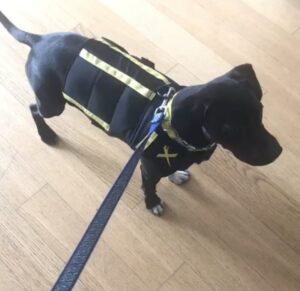
Dogs with arthritis often become less active because movement may feel uncomfortable. However, avoiding exercise completely can contribute to additional stiffness, reduced conditioning, and muscle loss. Safe, low-impact movement may help many dogs remain active and maintain a better quality of life.
Before beginning a new exercise routine, speak with your veterinarian to make sure the activities are appropriate for your dog’s condition, age, and current mobility.
For more gentle activity ideas, read Best Low-Impact Exercises for Senior Dogs.
Should Dogs With Arthritis Exercise?
Many dogs with arthritis can still benefit from regular movement. The goal is not intense exercise. It is to encourage comfortable, controlled activity that helps the dog continue using its joints and muscles.
Appropriate exercise may help support:
- joint mobility
- muscle strength
- balance and coordination
- healthy weight management
- mental stimulation
- overall conditioning
The amount and type of exercise should be adjusted to the individual dog.
1. Short, Controlled Walks
Short walks are often one of the simplest forms of exercise for dogs with arthritis. Walking encourages steady movement without requiring jumping, sprinting, or sudden changes in direction.
Instead of one long walk, some dogs may be more comfortable with several shorter walks throughout the day.
Keep the pace relaxed and allow your dog time to sniff and explore. Avoid forcing your dog to walk farther after signs of fatigue or discomfort appear.
Learn more about adjusting walking routines in How Often Should You Walk a Senior Dog?.
2. Gentle Swimming or Supervised Water Exercise
Water can reduce the amount of weight placed on the joints while allowing the dog to move its legs and use its muscles.
Possible options include:
- gentle swimming
- walking in shallow water
- supervised canine hydrotherapy
Swimming is not appropriate for every dog. Dogs should always be closely supervised around water, and a canine life jacket may be helpful.
3. Slow Sit-to-Stand Exercises
A controlled sit-to-stand movement can encourage a dog to use the muscles in the hind legs. It is similar to a gentle squat for people.
To try it:
- Ask your dog to sit on a non-slip surface.
- Use a treat or verbal cue to encourage your dog to stand.
- Repeat only a few times while the movement remains comfortable.
Do not force the exercise if your dog struggles to sit evenly, has difficulty standing, or appears uncomfortable.
4. Slow Weight-Shifting Exercises
Weight shifting can gently engage the muscles responsible for balance and stability.
While your dog is standing comfortably on a non-slip surface, use a treat to encourage a small movement of the head from side to side. As the dog follows the treat, body weight shifts gradually between the legs.
The movement should remain slow, controlled, and within a comfortable range.
5. Gentle Indoor Walking
Indoor movement can be useful during extreme weather or on days when your dog is not comfortable walking outside.
Possible indoor activities include:
- walking slowly between rooms
- following a treat around furniture
- short scent-search games
- gentle food puzzle activities
Use rugs, yoga mats, or other non-slip surfaces to reduce the risk of slipping.
For additional ideas, visit Best Indoor Exercises for Senior Dogs.
6. Gentle Range-of-Motion Exercises
A veterinarian or canine rehabilitation professional may recommend gentle range-of-motion exercises for certain dogs. These exercises usually involve slowly moving a joint through a comfortable range while the dog is relaxed.
Because incorrect technique may cause discomfort, ask a veterinary professional to demonstrate the movement before attempting it at home.
Exercises Dogs With Arthritis May Need to Avoid
High-impact or uncontrolled activities may place unnecessary stress on painful joints.
Depending on the dog, activities to limit or avoid may include:
- repetitive jumping
- long-distance running
- sharp turns during fetch
- slippery floors
- steep stairs
- sudden intense exercise
- rough play with larger or highly energetic dogs
Your veterinarian can help determine which activities are appropriate for your dog.
Start Slowly and Build a Consistent Routine
Dogs with arthritis may respond better to small amounts of regular movement than occasional intense exercise.
A simple routine may include:
- a brief warm-up walk
- a short low-impact activity
- time to cool down
- rest and recovery afterward
Increase activity only when your dog remains comfortable during the exercise and recovers normally afterward.
Watch for Signs of Discomfort
Reduce or stop the activity if your dog shows signs such as:
- limping
- falling behind
- reluctance to continue
- difficulty standing afterward
- increased stiffness later in the day
- unusual panting
- changes in posture or movement
Contact your veterinarian if symptoms are new, worsening, or persistent.
Healthy Weight Also Matters
Maintaining an appropriate body weight may reduce unnecessary pressure on a dog’s joints. Exercise should be combined with suitable food portions and guidance from a veterinarian when weight loss is needed.
If excess weight is also a concern, read Best Exercises for Overweight Dogs.
Related Articles
- Best Low-Impact Exercises for Senior Dogs
- How to Keep a Senior Dog Active Safely
- Can Senior Dogs Build Muscle Through Exercise?
- How Often Should You Walk a Senior Dog?
Final Thoughts
Dogs with arthritis often still benefit from safe, consistent movement. Short walks, gentle water exercise, controlled strength movements, and low-impact indoor activities may help support mobility and conditioning.
The best routine depends on the dog’s arthritis severity, overall health, and comfort level. Work with your veterinarian or a qualified canine rehabilitation professional to create an appropriate exercise plan.
Want a Personalized Plan for Your Dog?
PetFitness creates structured exercise plans based on your dog’s breed, age, goals, mobility, and conditioning level.