ACL injuries are one of the most common orthopedic problems in dogs. Whether your dog has undergone TPLO, TTA, or another cruciate ligament repair procedure, proper rehabilitation is an important part of recovery. While surgery stabilizes the knee, gradual exercise helps rebuild strength, improve mobility, and restore confidence.
Always follow your veterinarian’s or rehabilitation specialist’s instructions regarding your dog’s recovery timeline. The exercises below are general examples that may be introduced as your dog heals.
Why Exercise Matters After ACL Surgery
Following surgery, dogs often lose muscle mass in the affected leg because they naturally avoid putting weight on it. Controlled exercise may help:
- rebuild hind leg strength
- improve joint mobility
- restore normal walking patterns
- increase balance and coordination
- reduce stiffness during recovery
Recovery is gradual, so patience is essential.
1. Short Leash Walks
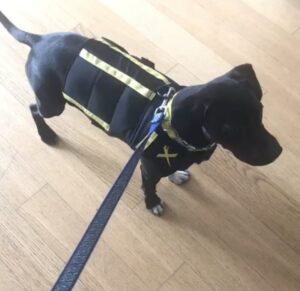
One of the first exercises most dogs perform after surgery is slow, controlled leash walking.
These walks encourage proper weight bearing without excessive stress on the healing knee.
- walk on flat surfaces
- keep a slow pace
- avoid running or jumping
- gradually increase duration only as recommended by your veterinarian
2. Sit-to-Stand Exercises
Once approved by your veterinarian, controlled sit-to-stand repetitions help strengthen the quadriceps, hamstrings, and gluteal muscles.
- Ask your dog to sit comfortably.
- Use a treat to encourage standing.
- Repeat slowly while maintaining good posture.
Quality of movement is more important than the number of repetitions.
3. Weight Shifting
Weight-shifting exercises encourage your dog to gradually place more weight on the recovering leg.
While your dog is standing, gently encourage small shifts from side to side using a treat or your hand. This activates stabilizing muscles around the knee and hips.
4. Controlled Cavaletti Poles
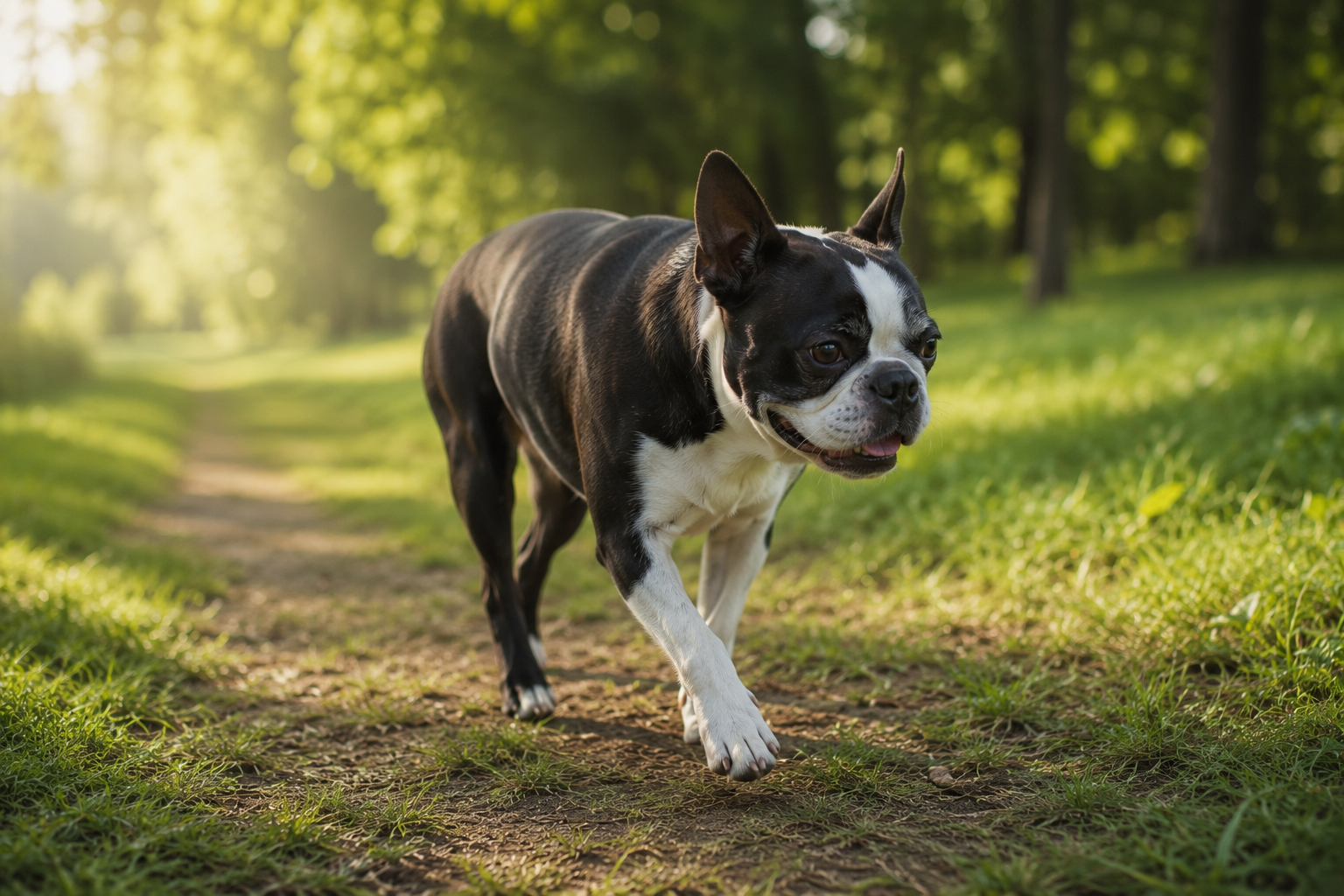
As healing progresses, walking slowly over low poles can improve coordination, flexibility, and limb awareness.
The poles should be low enough that your dog can step comfortably without jumping.
5. Balance Exercises
Balance work helps strengthen the small stabilizing muscles that support the entire hind limb.
Examples include:
- standing evenly on all four feet
- gentle weight shifts
- balance cushions under professional guidance
For additional ideas, read Best Balance Exercises for Dogs.
6. Swimming (When Approved)
Swimming provides low-impact exercise that allows many dogs to build strength while reducing stress on the joints.
Do not introduce swimming until your veterinarian confirms the incision has fully healed and your dog is ready.
Activities to Avoid During Recovery
Until your veterinarian clears your dog, avoid:
- off-leash running
- jumping on furniture
- playing fetch
- rough play with other dogs
- stairs whenever possible
- slippery flooring
Too much activity too soon may delay recovery.
Watch for Signs of Overdoing It
Reduce activity and contact your veterinarian if you notice:
- increased limping
- swelling around the knee
- reluctance to bear weight
- excessive fatigue
- pain after exercise
Related Articles
- Hip Dysplasia Exercises for Dogs
- How to Help a Dog With Weak Back Legs
- Dog Core Strength Exercises
- Best Balance Exercises for Dogs
- How to Improve Dog Mobility Naturally
Final Thoughts
Recovering from ACL surgery takes time, but consistent, veterinarian-approved rehabilitation can help many dogs regain strength, mobility, and confidence. Focus on slow progress rather than rushing back to normal activity, and celebrate each milestone along the way.
Want a Personalized Plan for Your Dog?
PetFitness creates structured exercise plans based on your dog’s breed, age, mobility, and conditioning level.