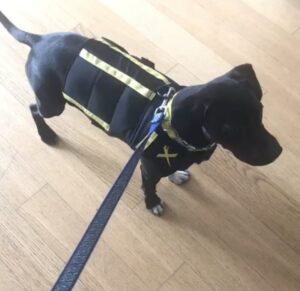
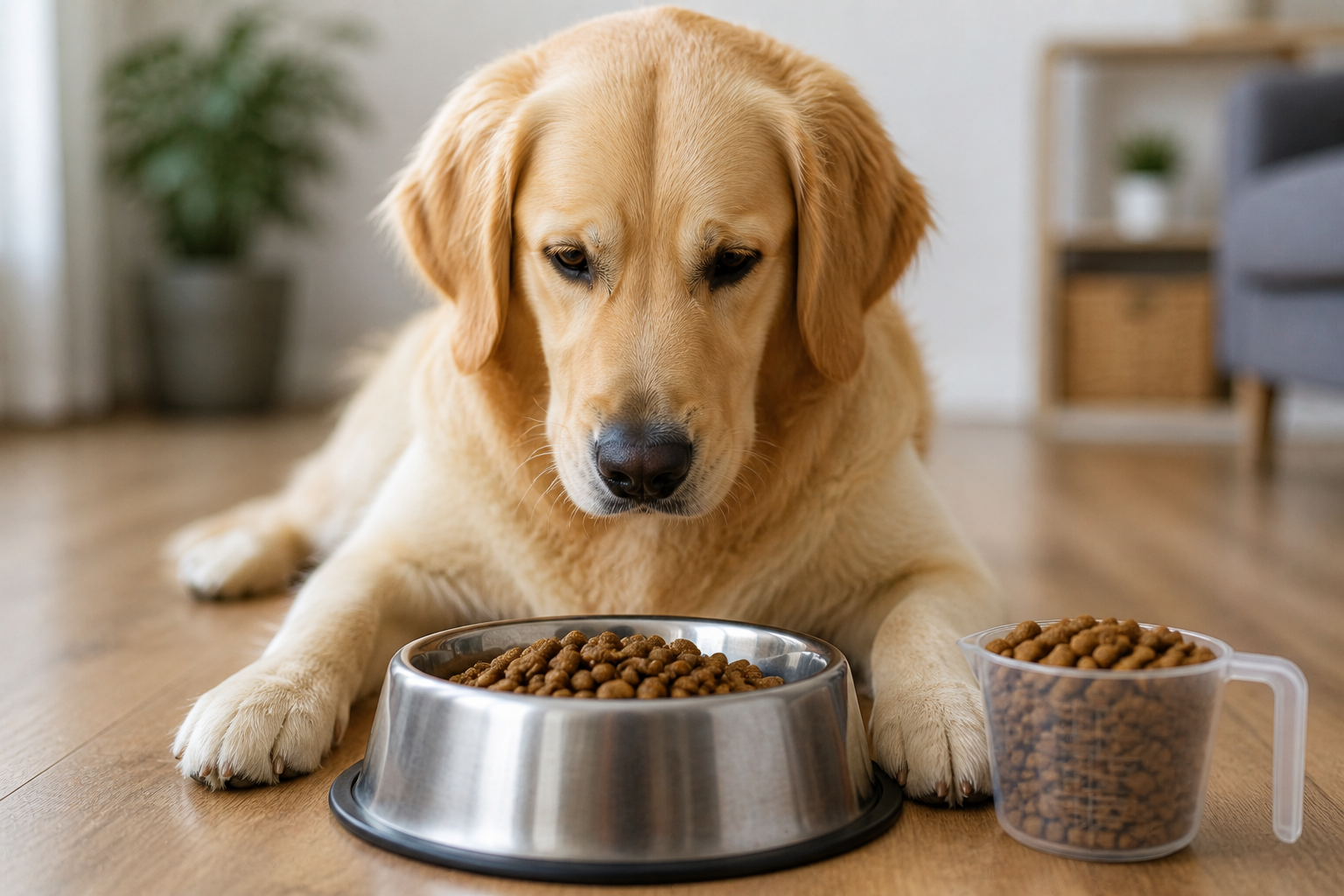
The number of calories a dog should eat per day depends on their size, age, activity level, and weight goals. Active dogs need more calories, while overweight dogs usually need fewer.
If your dog is overweight, start here: Overweight Dog: Causes, Risks, and How to Fix It
What Affects a Dog’s Calorie Needs?
Several factors determine calorie intake:
- body size
- age
- activity level
- weight goals
Every dog is different.
Active Dogs vs Overweight Dogs
Active Dogs
More active dogs generally need:
- more calories
- more energy support
- larger portions
Overweight Dogs
Overweight dogs often need:
- reduced calories
- controlled portions
- structured feeding
Why Overfeeding Happens Easily
Many owners accidentally overfeed through:
- large portions
- extra treats
- table scraps
- inconsistent feeding
Even small extras add up over time.
How to Control Calories Safely
1. Measure Food
- use measuring cups
- avoid guessing portions
- stay consistent
2. Limit Treats
- reduce frequency
- control portions
- avoid constant snacking
3. Increase Activity
- daily walks
- structured exercise
- consistent movement
Signs Your Dog May Be Eating Too Much
- weight gain
- low energy
- loss of visible waistline
- difficulty feeling ribs
Related: Best Diet for Overweight Dogs
Read: Best Diet for Overweight Dogs (What to Feed + Avoid)
Related: Dog Weight Loss Plan
Follow this: Dog Weight Loss Plan: Diet + Exercise Guide
Final Thoughts
Calorie needs vary from dog to dog.
Consistency and portion control are the most important factors.
Want a Personalized Plan for Your Dog?
If your dog is overweight, the fastest way to see results is with a structured plan tailored to your dog’s breed, age, and goals.