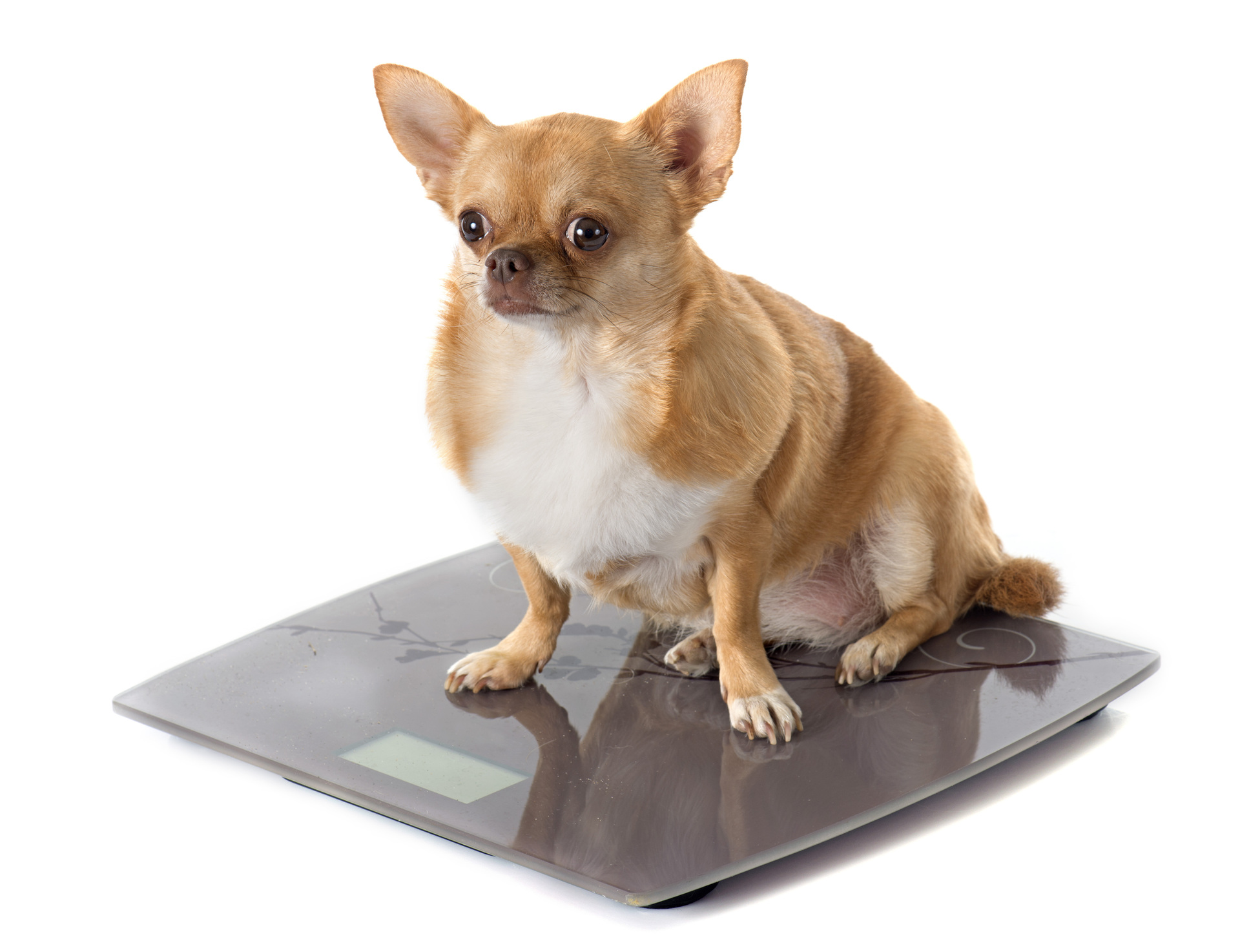
You can tell if your dog is losing weight by checking their body shape, feeling their ribs more easily, and noticing improved energy levels. Gradual changes are the best sign of healthy progress.
If your dog is overweight, start here: Overweight Dog: Causes, Risks, and How to Fix It
Why Tracking Weight Loss Matters
Many dog owners aren’t sure if their efforts are working.
Tracking progress helps:
- confirm results
- stay consistent
- adjust when needed
Signs Your Dog Is Losing Weight
1. More Visible Waist
Look at your dog from above.
- a clearer waistline
- less round body shape
2. Ribs Are Easier to Feel
- ribs should be easier to feel
- less fat covering
3. Increased Energy
- more active
- more playful
- less fatigue
4. Improved Mobility
- easier movement
- less strain
- more comfort
5. Gradual Physical Changes
Weight loss is slow.
- small changes over time
- consistent improvement
How to Track Your Dog’s Progress
1. Use Visual Checks
Compare:
- body shape
- posture
- overall appearance
2. Monitor Weight
- weigh regularly
- track gradual changes
3. Observe Behavior
- energy levels
- activity
- engagement
How Fast Should You See Results?
- 1–2% weight loss per week
- gradual improvement
- consistent progress
Common Mistakes to Avoid
- expecting fast results
- relying only on the scale
- ignoring visual changes
- being inconsistent
Related: Dog Weight Loss Plan
Follow this: Dog Weight Loss Plan: Diet + Exercise Guide
Related: How to Help Your Dog Lose Weight Fast
Read: How to Help an Overweight Dog Lose Weight Fast (Safe Approach)
Final Thoughts
Healthy weight loss is gradual and consistent.
Focus on small improvements over time.
Want a Personalized Plan for Your Dog?
If your dog is overweight, the fastest way to see results is with a structured plan tailored to your dog’s breed, age, and goals.