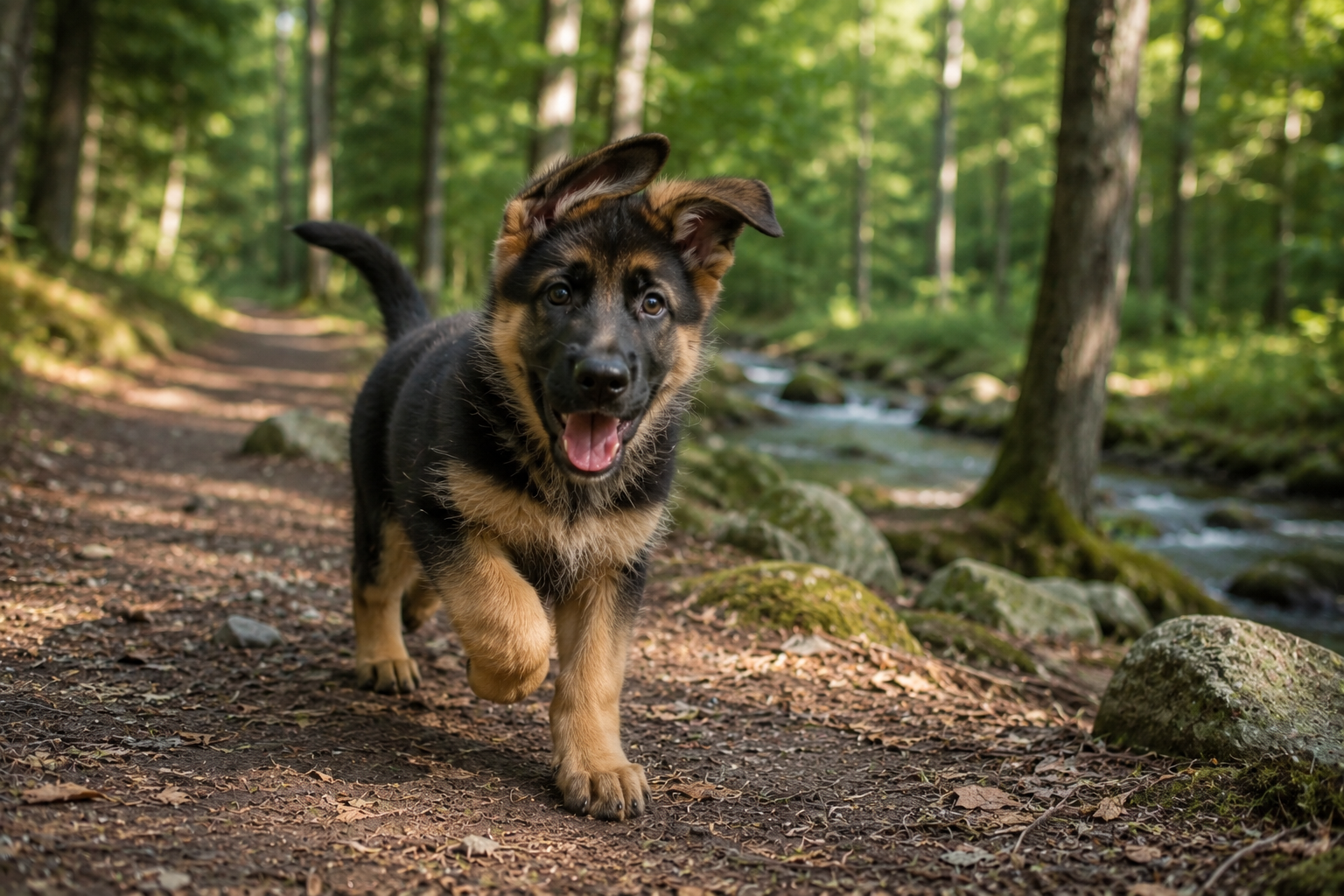
Exercise plays a vital role in helping puppies develop into healthy, confident adult dogs. In addition to burning energy, regular activity helps strengthen muscles, improve coordination, support healthy growth, and provide valuable mental stimulation.
Because puppies are still growing, it’s important to choose activities that challenge them without putting excessive stress on their developing bones and joints.
Why Exercise Is Important for Puppies
Safe, age-appropriate exercise helps puppies:
- develop strong muscles
- improve coordination and balance
- maintain a healthy weight
- build confidence
- learn appropriate social skills
- reduce boredom and destructive behavior
1. Short Walks
Short leash walks allow puppies to explore the world while gradually building endurance.
Keep walks relaxed and allow plenty of time for sniffing, which provides valuable mental enrichment.
2. Free Play
One of the best forms of exercise is simply allowing your puppy to play at their own pace.
Running, stopping, changing direction, and interacting with toys naturally develop strength and coordination.
3. Gentle Fetch
Short games of fetch can provide both physical and mental exercise.
Use soft toys and avoid long, repetitive throwing sessions that encourage excessive running or jumping.
4. Basic Obedience Training
Training sessions are an excellent form of exercise because they combine movement with mental stimulation.
Practice simple commands such as:
- sit
- down
- stay
- come
- leave it
Keep sessions fun and only five to ten minutes long.
5. Puzzle Toys and Scent Games
Mental exercise is just as important as physical activity.
Food puzzles, treat-dispensing toys, and simple scent games encourage problem-solving while helping tire out energetic puppies.
6. Safe Social Play
Playing with friendly, vaccinated dogs teaches puppies important communication skills while providing excellent exercise.
Always supervise play sessions and choose dogs with compatible play styles.
7. Exploring New Environments
Walking on grass, dirt trails, sand, and other safe surfaces helps puppies develop balance, confidence, and body awareness.
Introducing new sights and sounds also supports healthy socialization.
Avoid High-Impact Exercise
Growing puppies should avoid activities that place excessive stress on developing joints, including:
- long-distance running
- repetitive jumping
- running beside bicycles
- extended hikes
- intense agility training
These activities are generally better suited for physically mature dogs.
Know When Your Puppy Is Tired
Watch for signs that your puppy needs a break:
- slowing down
- heavy panting
- lying down during play
- losing interest in toys
- difficulty keeping up
Always allow your puppy to rest when they appear tired.
Related Articles
- How Much Exercise Does a Puppy Need?
- How Much Exercise Does a Dog Need Per Day?
- Signs Your Dog Is Out of Shape
- How to Increase Your Dog’s Stamina Safely
- Best Exercises for Overweight Dogs
Final Thoughts
The best exercises for puppies focus on fun, variety, and gradual development rather than intense workouts. By combining short walks, play, training, and mental enrichment, you can help your puppy build lifelong healthy habits while protecting growing joints.
Want a Personalized Plan for Your Dog?
PetFitness creates structured exercise plans based on your dog’s breed, age, mobility, and conditioning level.