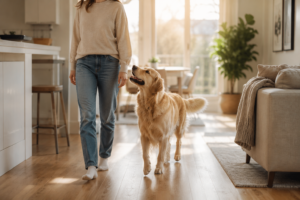
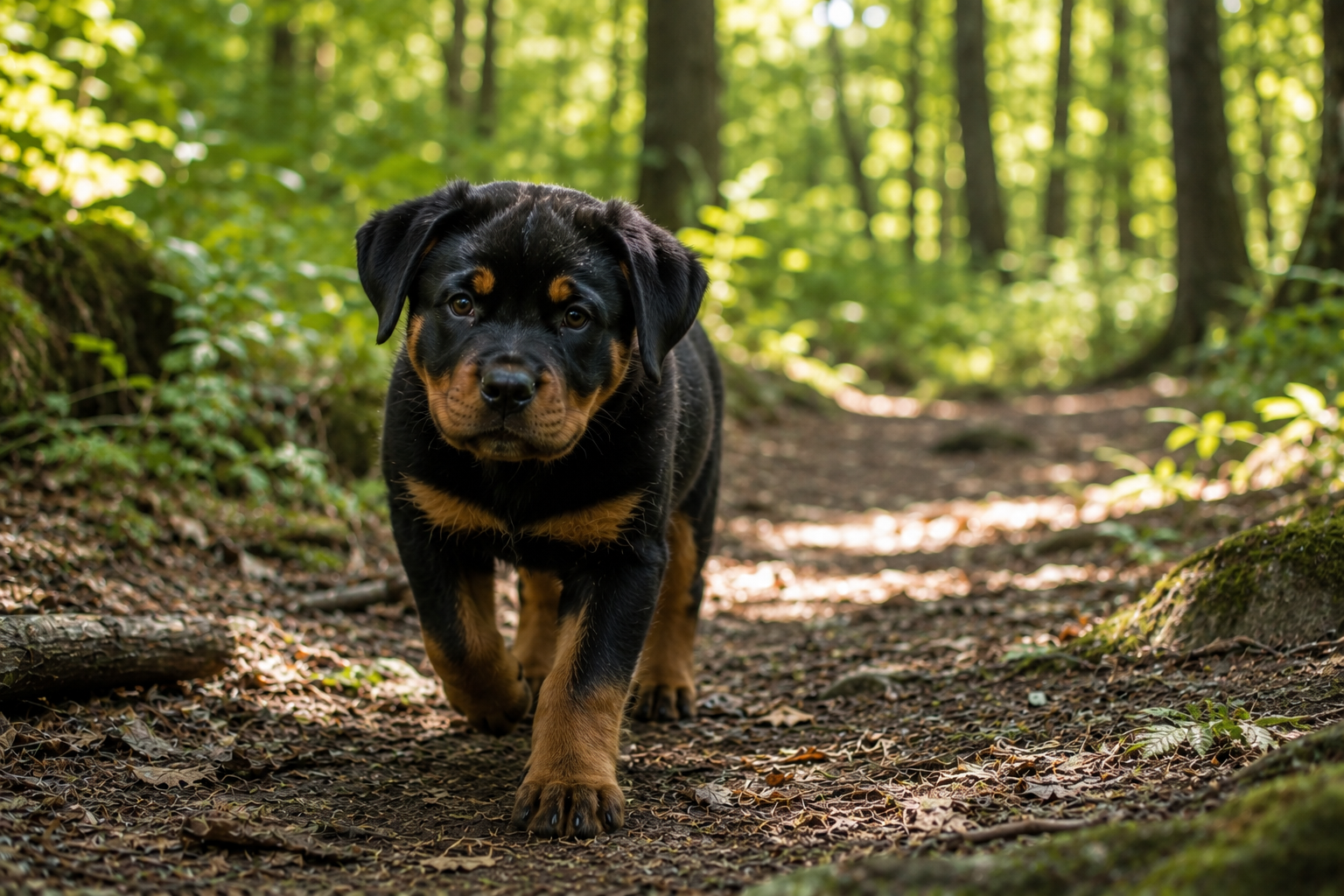
Walking is one of the best ways to exercise a puppy, but longer isn’t always better. Because puppies are still growing, their bones, joints, and muscles are developing rapidly. Taking them on walks that are too long can lead to fatigue and place unnecessary stress on their growing bodies.
The good news is that puppies can absolutely enjoy walks—they just need to be appropriate for their age and fitness level.
Why Long Walks Can Be a Problem
Unlike adult dogs, puppies have growth plates that remain open until they mature. Excessive or repetitive exercise may place additional stress on these developing areas.
Young puppies also tire more quickly than adult dogs, even if they seem eager to keep going.
How Long Should a Puppy Walk?
A commonly used guideline is about five minutes of structured walking per month of age, up to twice per day.
For example:
- 2-month-old puppy: about 10 minutes
- 3-month-old puppy: about 15 minutes
- 4-month-old puppy: about 20 minutes
- 6-month-old puppy: about 30 minutes
These are general recommendations. Your puppy’s breed, size, health, and energy level all influence how much exercise is appropriate.
Quality Matters More Than Distance
Walks are about much more than covering miles.
Allow your puppy to:
- sniff interesting scents
- explore new environments
- practice loose-leash walking
- meet new people and friendly dogs
- experience different sights and sounds
This mental enrichment often tires puppies more effectively than simply walking farther.
Signs Your Puppy Has Walked Too Far
Watch for signs that your puppy is becoming tired:
- slowing down noticeably
- lying down during the walk
- heavy panting
- frequent sitting
- reluctance to continue walking
- limping after returning home
If your puppy shows any of these signs, shorten future walks and allow plenty of time for rest.
Large Breeds Need Extra Care
Large and giant breed puppies, such as German Shepherds, Golden Retrievers, Labrador Retrievers, Great Danes, and Bernese Mountain Dogs, grow for a longer period than many smaller breeds.
Because their joints remain immature for longer, avoiding excessive exercise during puppyhood is especially important.
Better Alternatives to Long Walks
Instead of taking one long walk, try combining several shorter activities throughout the day.
Examples include:
- short neighborhood walks
- supervised play sessions
- basic obedience training
- food puzzles
- gentle games of fetch
- exploring new safe environments
This combination provides both physical and mental stimulation without overloading growing joints.
When Can Puppies Walk Longer Distances?
As puppies mature, they gradually develop greater endurance. Most dogs can slowly begin increasing walk duration as they approach adulthood, although the exact timeline varies by breed.
Your veterinarian can help determine when your puppy is ready for longer hikes, jogging, or more strenuous activities.
Related Articles
- How Much Exercise Does a Puppy Need?
- Best Exercises for Puppies
- How Much Exercise Does a Dog Need Per Day?
- How to Increase Your Dog’s Stamina Safely
- Signs Your Dog Is Out of Shape
Final Thoughts
Puppies don’t need long walks to stay healthy. Short, enjoyable outings combined with play, training, and mental enrichment provide everything most growing dogs need. As your puppy matures, their endurance will naturally increase, allowing them to enjoy longer adventures safely.
Want a Personalized Plan for Your Dog?
PetFitness creates structured exercise plans based on your dog’s breed, age, mobility, and conditioning level.