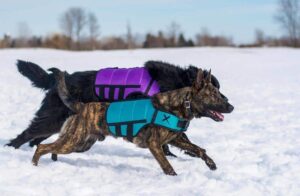
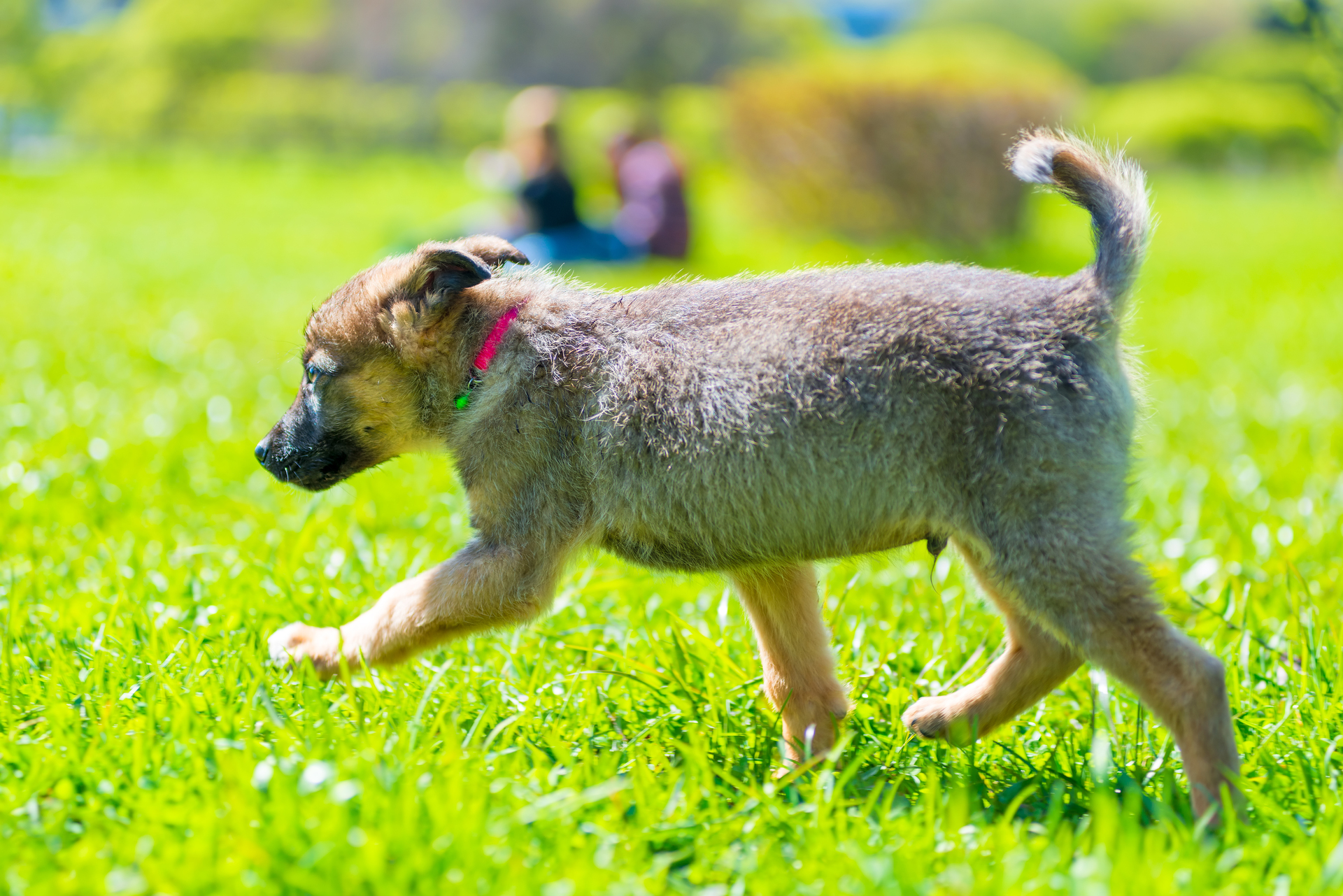
Watching your puppy sprint across the yard can make you wonder when it’s safe to start running together. While puppies naturally run during play, structured running for exercise is a different story. Because their bones, muscles, and joints are still developing, introducing running too early may place unnecessary stress on their growing bodies.
The key is allowing your puppy to mature before adding regular running to their exercise routine.
Natural Running vs. Structured Running
It’s completely normal for puppies to run, chase toys, and zoom around during play. These short bursts of activity happen at their own pace, with plenty of breaks in between.
Structured running—such as jogging beside you for an extended period—is much more demanding and should wait until your puppy is physically mature.
Why Waiting Is Important
Puppies have open growth plates located near the ends of their long bones. These areas remain softer than mature bone until they close as your puppy reaches adulthood.
Too much repetitive exercise before this process is complete may increase stress on developing joints.
When Can Puppies Start Running?
The exact age depends on your puppy’s breed and size.
- Small breeds: often reach physical maturity around 10–12 months.
- Medium breeds: around 12 months.
- Large breeds: often 15–18 months.
- Giant breeds: sometimes up to 24 months.
Your veterinarian can help determine when your individual puppy is ready.
How to Introduce Running Safely
Once your puppy is mature enough, begin gradually.
- start with short jogging intervals
- choose soft surfaces such as grass or dirt trails
- allow frequent rest breaks
- increase distance slowly over several weeks
- carry water on longer outings
Building endurance gradually helps reduce the risk of injury.
Activities Puppies Can Enjoy Instead
While waiting to begin running, there are plenty of safe ways to exercise your puppy.
- short neighborhood walks
- supervised free play
- gentle games of fetch
- basic obedience training
- food puzzle toys
- exploring new environments
These activities build strength and confidence while protecting growing joints.
Signs Your Puppy Has Had Enough Exercise
Watch for signs that it’s time to stop:
- slowing down significantly
- heavy panting
- lying down during activity
- frequent sitting
- reluctance to continue moving
- limping after exercise
If your puppy appears sore after activity, reduce future exercise and consult your veterinarian if symptoms persist.
Large Breeds Need Extra Patience
Large breeds such as German Shepherds, Labrador Retrievers, Golden Retrievers, Rottweilers, and Great Danes continue growing for much longer than smaller dogs.
Waiting until they are physically mature before beginning regular running helps support lifelong joint health.
Related Articles
- How Much Exercise Does a Puppy Need?
- Best Exercises for Puppies
- Can Puppies Go on Long Walks?
- How Much Exercise Does a Dog Need Per Day?
- How to Increase Your Dog’s Stamina Safely
Final Thoughts
Although puppies love to run during play, organized running should wait until they have finished growing. By allowing your puppy to mature and gradually increasing activity over time, you can help protect their joints while setting the foundation for a lifetime of healthy exercise.
Want a Personalized Plan for Your Dog?
PetFitness creates structured exercise plans based on your dog’s breed, age, mobility, and conditioning level.