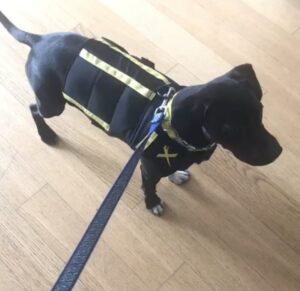
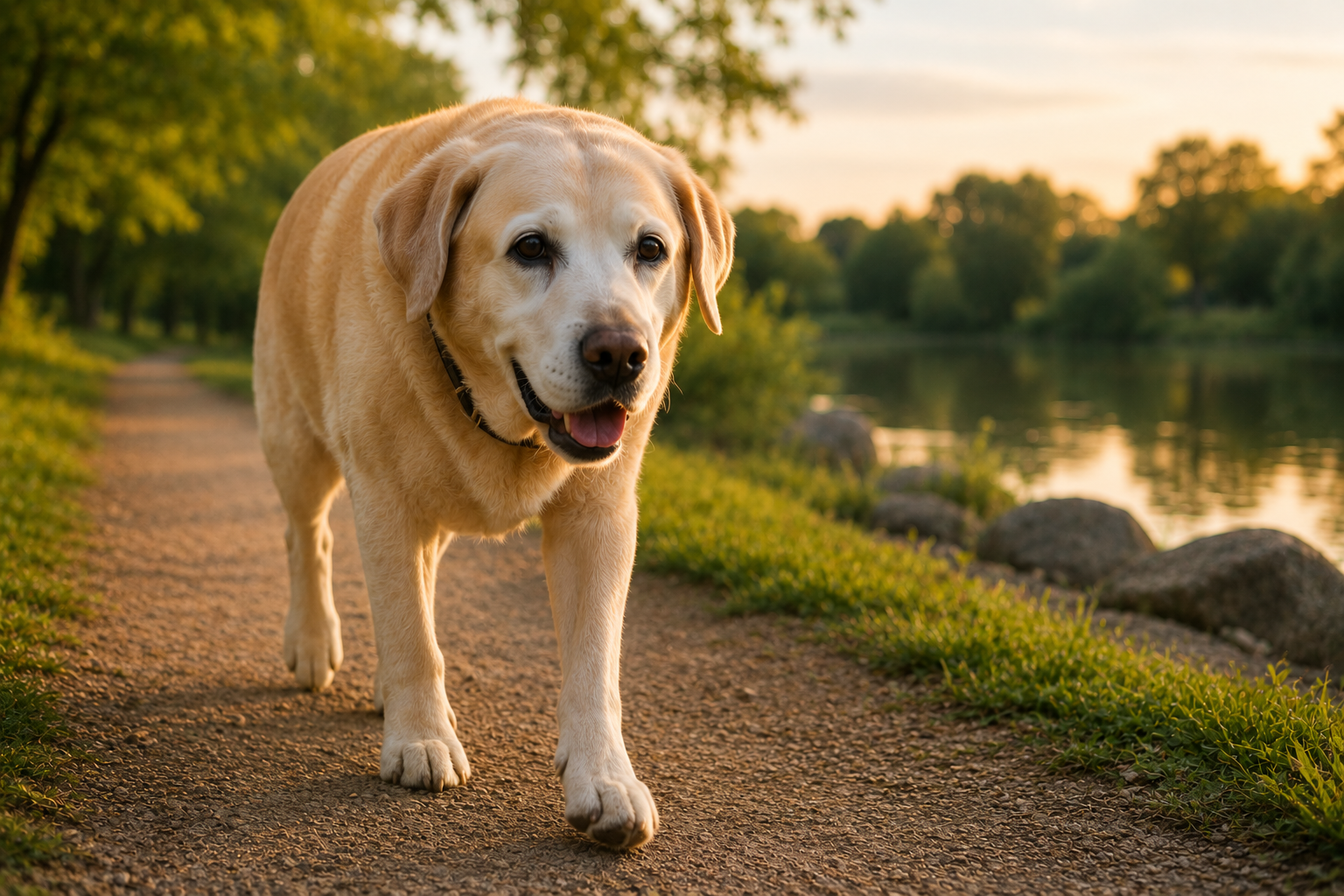
As dogs age, regular movement can still play an important role in supporting mobility, conditioning, and overall wellbeing. Low-impact exercise may help senior dogs stay active without placing excessive stress on the body.
Read also: How Much Exercise Does a Dog Need Per Day?
Why Low-Impact Exercise Matters for Senior Dogs
Older dogs may experience:
- reduced mobility
- stiffness
- lower endurance
- slower recovery
Low-impact activity can help keep senior dogs moving more comfortably.
Walking Is Often One of the Best Options
Short controlled walks are one of the safest and simplest forms of exercise for many senior dogs.
Walking may help support:
- mobility
- conditioning
- mental stimulation
- routine activity
Swimming Can Reduce Joint Stress
Swimming is often considered a lower-impact activity because water may reduce stress on joints while still encouraging movement.
Some senior dogs benefit from:
- gentle swimming
- controlled water activity
- supervised low-impact movement
Light Play and Enrichment
Not every exercise session needs to be intense.
Simple activities like:
- light fetch
- scent games
- gentle play
- slow exploration walks
can help keep older dogs engaged and active.
Watch for Signs of Fatigue
Senior dogs may need:
- more recovery time
- shorter activity sessions
- slower progression
Watch for:
- heavy panting
- stiffness
- slowing down
- discomfort
Consistency Is More Important Than Intensity
Small amounts of consistent movement are often more beneficial than occasional intense activity.
The goal is usually:
maintaining mobility and quality of life.
Related: Why Daily Exercise Is Important for Dogs
Read: Why Daily Exercise Is Important for Dogs
Related: How to Increase Your Dog’s Stamina Safely
Read: How to Increase Your Dog’s Stamina Safely
Final Thoughts
Low-impact movement may help senior dogs stay active, mobile, and mentally engaged as they age. Exercise routines should always be adjusted based on the dog’s individual needs and comfort level.
Want a Personalized Plan for Your Dog?
PetFitness creates structured exercise plans based on your dog’s breed, age, goals, and conditioning level.