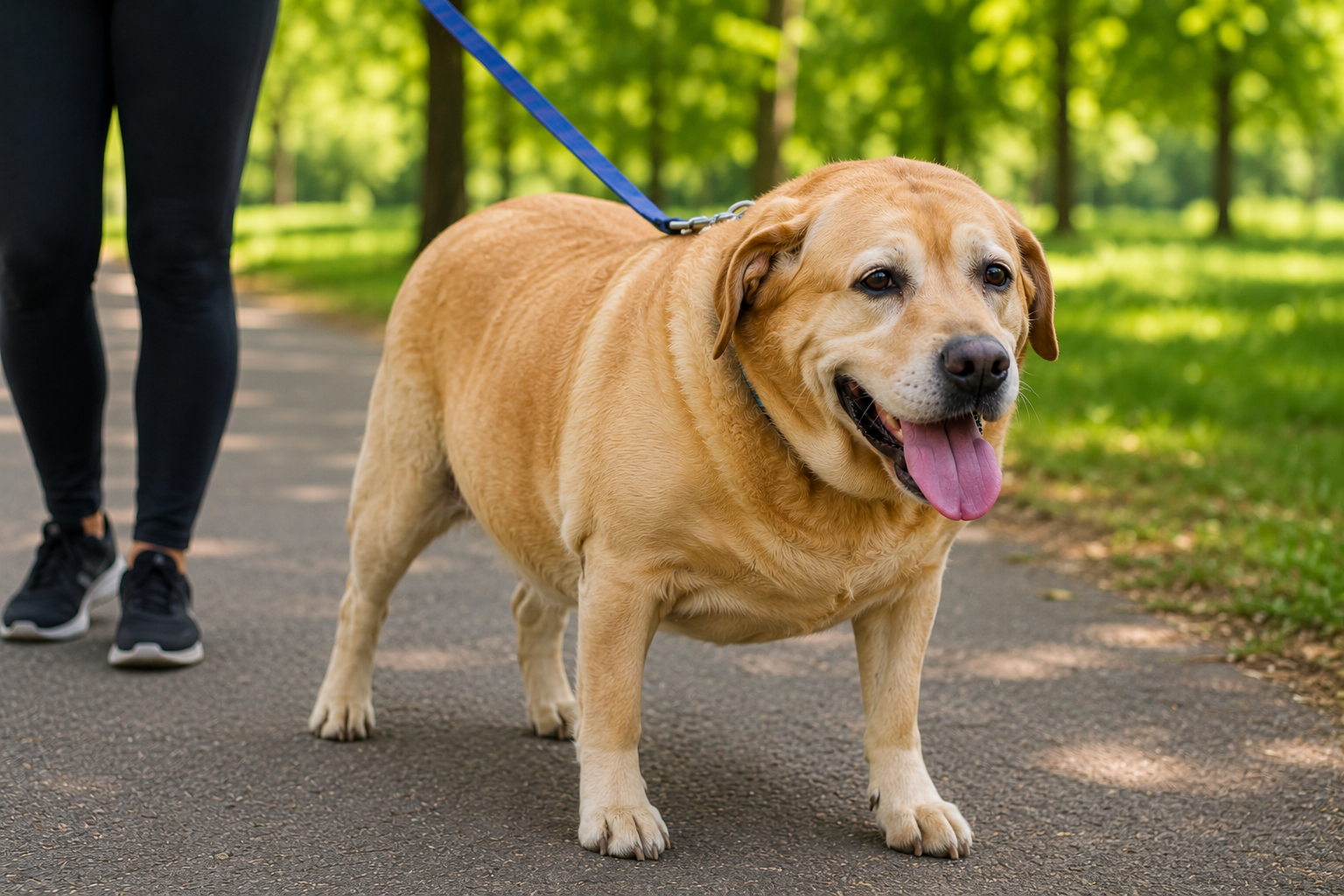
A dog can still be overweight even with exercise if calorie intake is too high, activity intensity is too low, or feeding habits are inconsistent. Exercise alone is often not enough for weight loss.
If your dog is overweight, start here: Overweight Dog: Causes, Risks, and How to Fix It
Why Exercise Alone Isn’t Always Enough
Many owners assume walks automatically lead to weight loss.
But weight gain is usually affected by:
- calorie intake
- treats
- routine consistency
- total daily activity
Common Reasons Dogs Stay Overweight
1. Too Many Calories
Even with exercise:
- extra treats
- large portions
- table scraps
can prevent weight loss.
2. Low-Intensity Activity
Short or slow walks may not burn enough energy.
Consistency and duration matter.
3. Inconsistent Routine
Weight loss works best with:
- regular exercise
- controlled feeding
- consistent structure
4. Not Enough Daily Movement
Some dogs need:
- longer walks
- more active play
- multiple activity sessions
5. Aging and Lower Metabolism
Older dogs often:
- burn fewer calories
- move less
- gain weight more easily
What You Should Do
1. Measure Food Intake
- track portions
- reduce unnecessary calories
- stay consistent
2. Increase Structured Activity
- longer walks
- active play
- daily routine
3. Monitor Treats
Treats can quickly cancel out exercise benefits.
Related: How Many Calories Should a Dog Eat Per Day?
Read: How Many Calories Should a Dog Eat Per Day?
Related: Dog Weight Loss Plan
Follow this: Dog Weight Loss Plan: Diet + Exercise Guide
Final Thoughts
Exercise is important, but weight loss depends on the full routine.
Diet, consistency, and structure matter just as much.
Want a Personalized Plan for Your Dog?
If your dog is overweight, the fastest way to see results is with a structured plan tailored to your dog’s breed, age, and goals.