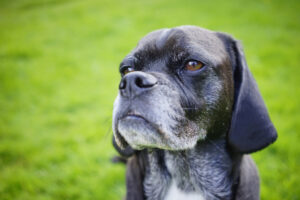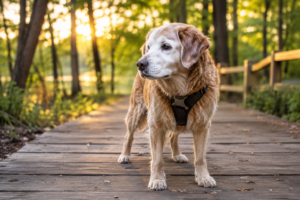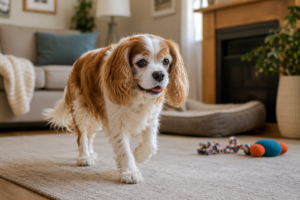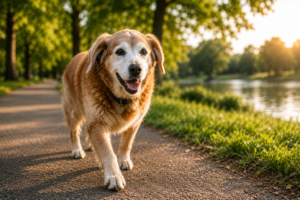
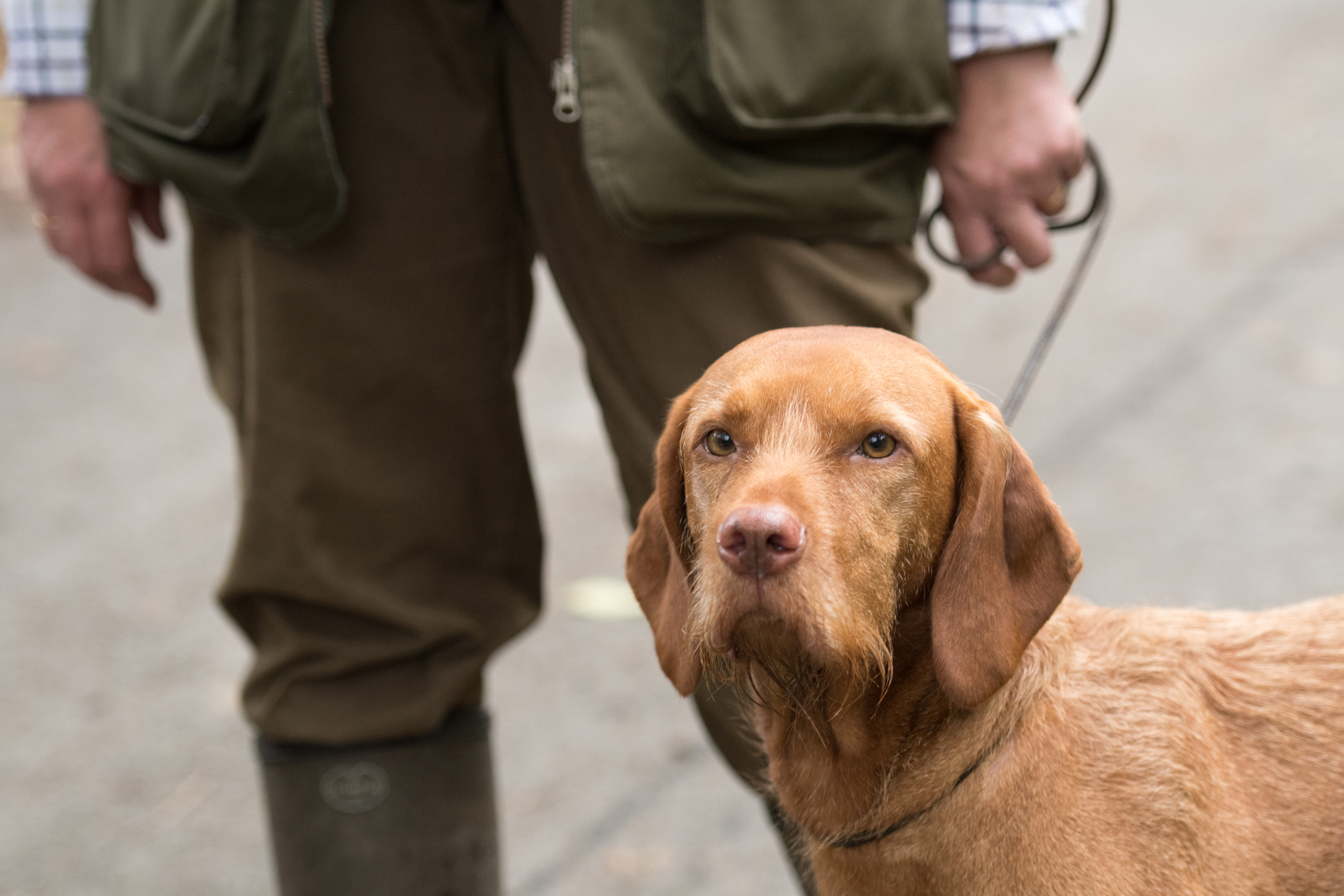
Senior dogs still benefit from regular movement and daily exercise. While older dogs may slow down with age, walking remains one of the safest and most effective ways to support mobility, conditioning, and overall wellbeing.
If your dog is aging but still enjoys movement, you may also want to read How to Keep a Senior Dog Active Safely.
Why Walking Is Important for Senior Dogs
Walking helps senior dogs stay physically and mentally active. Regular walks may help support:
- mobility
- joint health
- muscle conditioning
- mental stimulation
- weight management
- overall quality of life
Even shorter walks can provide meaningful benefits for older dogs.
Every Senior Dog Is Different
There is no exact number of walks that works for every senior dog.
Factors that may affect walking needs include:
- age
- breed
- mobility level
- fitness level
- existing health conditions
- previous activity level
Some older dogs remain very active, while others benefit from slower and shorter routines.
Shorter Walks May Be Better
Many senior dogs do well with several shorter walks throughout the day instead of one long walk.
Shorter walks may help:
- reduce fatigue
- improve comfort
- maintain mobility
- encourage consistent movement
This approach can often be easier on aging joints and muscles.
Watch Your Dog’s Energy Level
Pay attention to how your dog responds during and after walks.
Signs your senior dog may need shorter walks include:
- excessive panting
- slowing down
- stiffness afterward
- reluctance to continue walking
Adjust the pace and distance based on your dog’s comfort level.
Consistency Is More Important Than Distance
Daily movement is often more beneficial than occasional long walks.
Regular activity may help support:
- conditioning
- flexibility
- endurance
- mental wellbeing
The goal is usually to maintain movement rather than increase intensity.
Indoor Activity Can Also Help
On days when outdoor walks are difficult because of weather or mobility issues, indoor activities may help keep senior dogs moving.
Helpful options include:
- indoor walks
- scent games
- food puzzles
- gentle play
- light training sessions
For more ideas, read Best Indoor Exercises for Senior Dogs.
Related Articles
- Best Low-Impact Exercises for Senior Dogs
- Signs Your Senior Dog Needs More Exercise
- Can Exercise Help Senior Dogs Live Longer?
Final Thoughts
Walking remains one of the best forms of exercise for many senior dogs. While activity levels may change with age, regular low-impact walks can help support mobility, conditioning, and quality of life.
Every senior dog is different, so adjusting the routine based on comfort and energy level is often the best approach.
Want a Personalized Plan for Your Dog?
PetFitness creates structured exercise plans based on your dog’s breed, age, goals, and conditioning level.