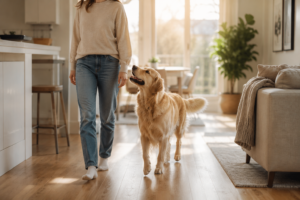
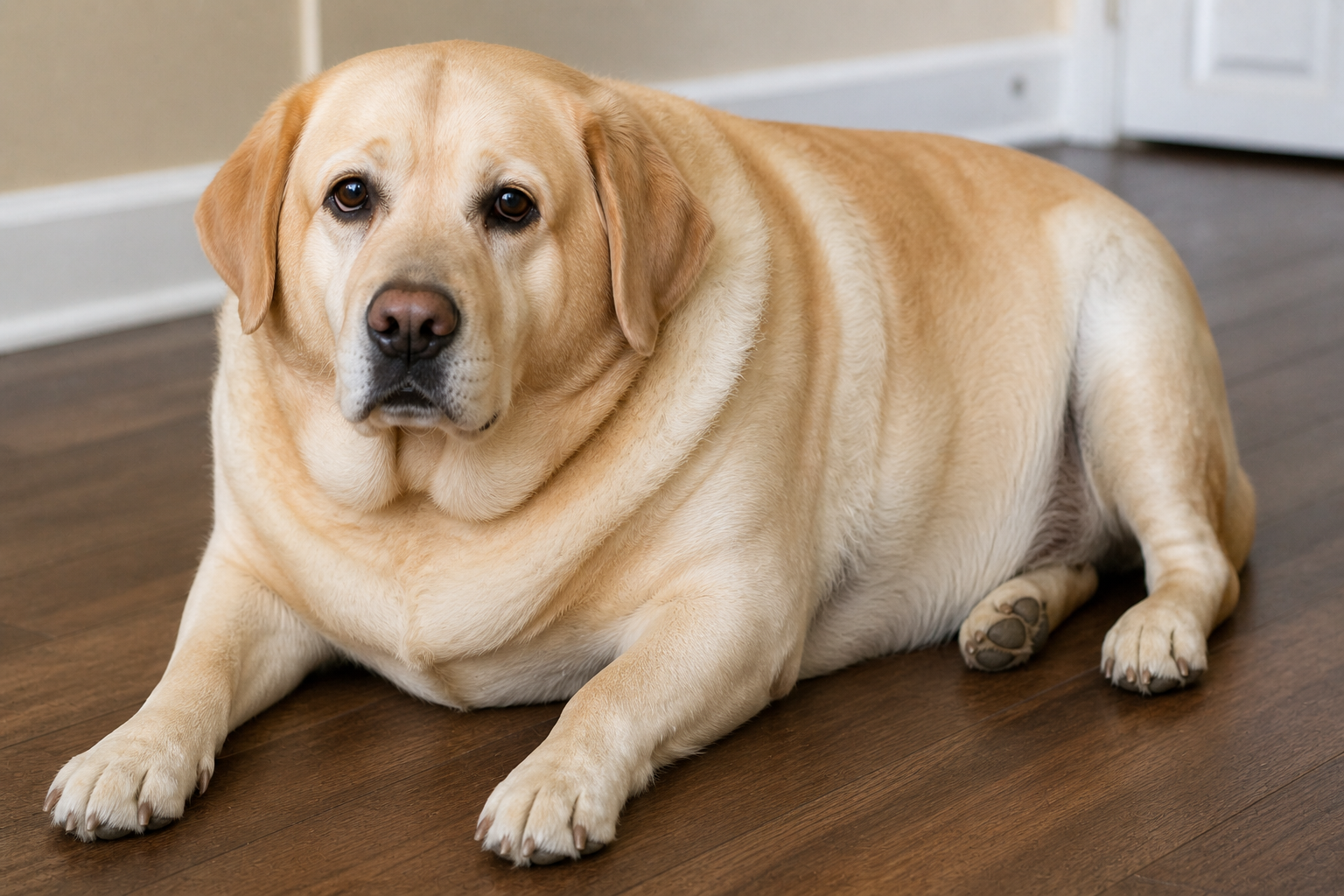
If your dog is gaining weight without eating more, it’s usually due to reduced activity, hidden calories, or changes in routine. Even small shifts can lead to gradual weight gain over time.
If your dog is overweight, start here: Overweight Dog: Causes, Risks, and How to Fix It
Why This Happens
Weight gain doesn’t always come from obvious overeating.
Small changes can add up quickly.
Common Reasons Your Dog Is Gaining Weight
1. Reduced Activity
Less movement means fewer calories burned.
- fewer walks
- shorter activity sessions
- inconsistent exercise
2. Hidden Calories
Even if meals haven’t changed:
- treats
- table scraps
- small snacks
These add up.
3. Routine Changes
Changes in schedule can affect:
- feeding patterns
- activity levels
- overall consistency
4. Aging
As dogs get older:
- metabolism slows
- activity decreases
- weight gain becomes easier
5. Lack of Structure
Without consistency:
- feeding becomes irregular
- activity drops
- weight increases
What You Should Do
1. Track Food Intake
- measure portions
- monitor treats
- avoid guessing
2. Increase Activity
- daily walks
- structured exercise
- consistent routine
3. Build a Routine
- same feeding times
- regular activity
- repeatable schedule
When to Be Concerned
If your dog:
- gains weight rapidly
- shows unusual symptoms
- has major behavior changes
👉 consult a vet
Related: Dog Weight Loss Plan
Follow this: Dog Weight Loss Plan: Diet + Exercise Guide
Related: Best Diet for Overweight Dogs
Read: Best Diet for Overweight Dogs (What to Feed + Avoid)
Final Thoughts
Weight gain without obvious changes is common.
Consistency and structure are key to fixing it.
Want a Personalized Plan for Your Dog?
If your dog is gaining weight, the fastest way to see results is with a structured plan tailored to your dog’s breed, age, and goals.