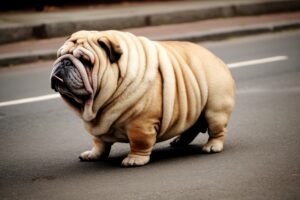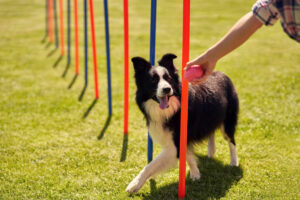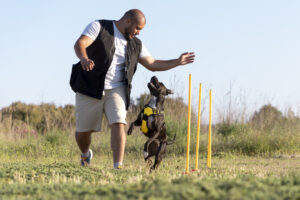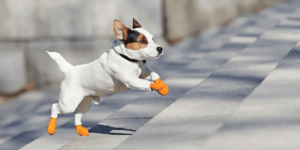
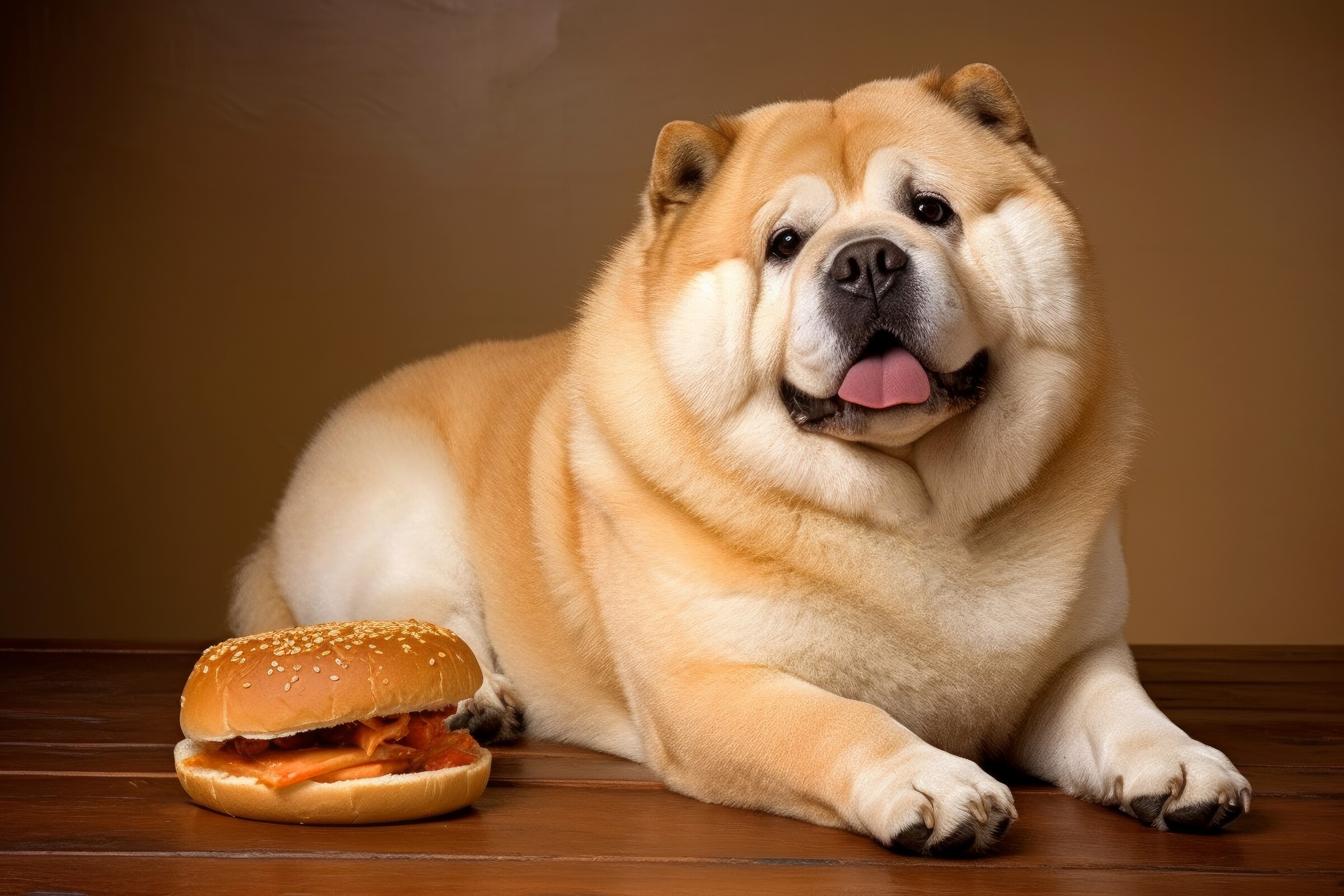
An overweight dog can lose weight safely by combining daily exercise with controlled feeding. Most dogs should lose about 1–2% of their body weight per week through a consistent fitness routine and proper portion control.
How to Tell If Your Dog Is Overweight
The easiest way to check if your dog is overweight is by looking at their body shape and feeling their ribs.
Signs your dog may be overweight:
You cannot easily feel their ribs
There is no visible waist when viewed from above
Their belly appears rounded or sagging
They get tired quickly during walks
If you’re unsure, your dog is likely carrying extra weight.
Why Dogs Become Overweight
Most dogs become overweight due to a combination of:
Overfeeding
Even small excess calories each day can lead to weight gain over time.
Lack of Exercise
Dogs that don’t move enough will store excess energy as fat.
Too Many Treats
Treats and table scraps are one of the biggest hidden causes of weight gain.
Why an Overweight Dog Is a Problem
Excess weight doesn’t just affect how your dog looks — it directly impacts their health and lifespan.
Overweight dogs are more likely to experience:
Joint problems and arthritis
Low energy and reduced mobility
Increased risk of disease
Shorter lifespan
Helping your dog get back to a healthy weight can dramatically improve their quality of life.
How to Help an Overweight Dog Lose Weight
The key is consistency, not intensity.
1. Daily Exercise
Start simple:
20–30 minute walks daily
Light play sessions
Gradually increase activity over time
As your dog improves, you can introduce more structured workouts.
2. Controlled Feeding
Measure food portions
Avoid free feeding
Limit treats
You don’t need a complex diet — just consistency and control.
3. Build a Routine
Dogs respond best to structure.
Set:
Consistent walk times
Consistent feeding schedule
Daily activity
Simple 7-Day Starter Plan
Day 1–2:
20-minute walk + light play
Day 3–4:
25-minute walk + short intervals of faster movement
Day 5–7:
30-minute walk + longer play session
Repeat this structure and gradually increase intensity each week.
Common Mistakes to Avoid
Overfeeding “just a little extra”
Skipping exercise days
Expecting fast results
Giving too many treats
Weight loss takes consistency, not quick fixes.
Final Thoughts
Helping your dog lose weight is one of the most important things you can do for their long-term health.
This isn’t just about appearance — it’s about energy, mobility, and lifespan.
Want a Personalized Plan for Your Dog?
If you want a step-by-step fitness plan tailored to your dog’s breed, age, and goals: