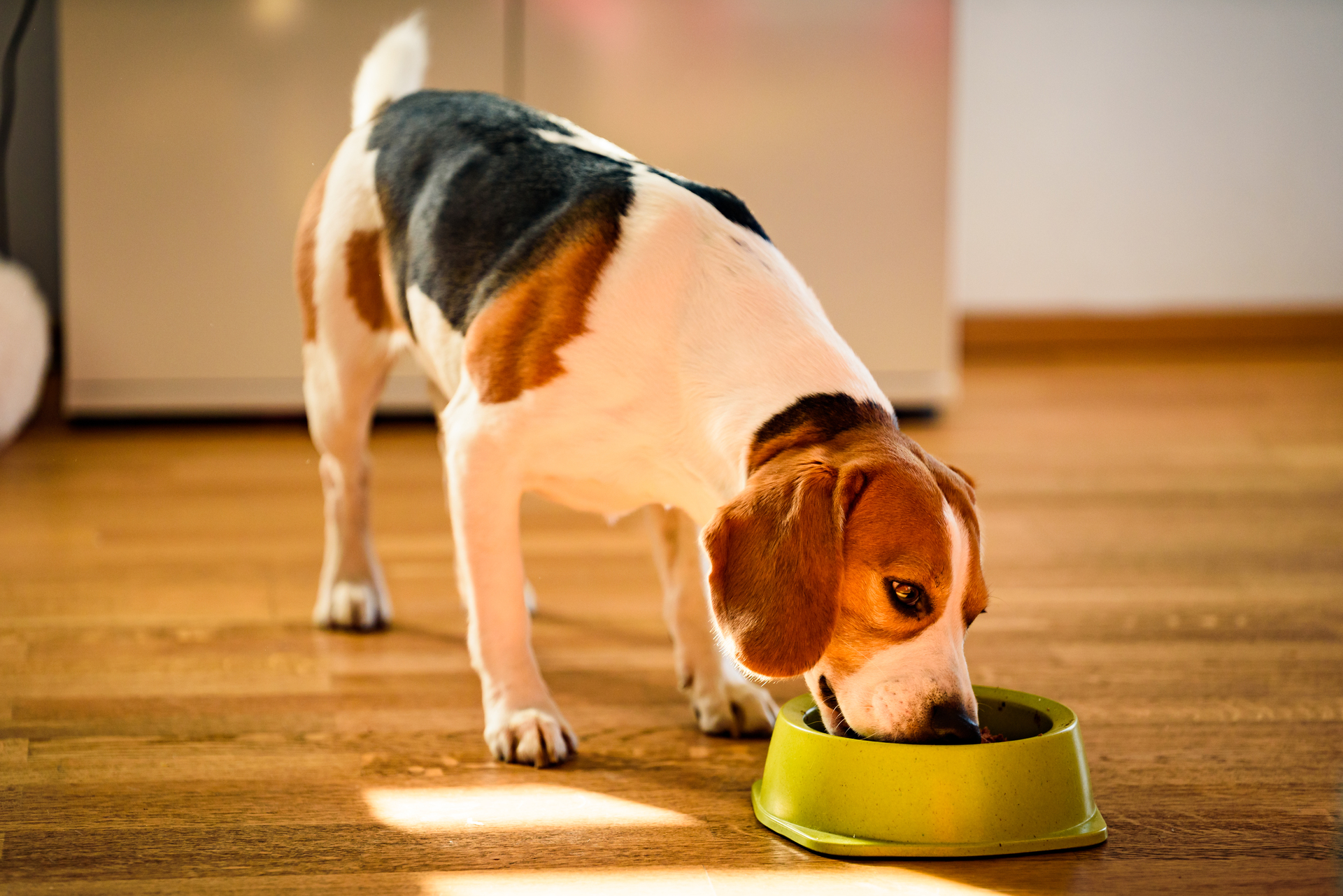
To help your dog lose weight, you should slightly reduce their daily food intake while maintaining proper nutrition. Most dogs need controlled portions combined with regular exercise to achieve gradual, healthy weight loss.
Why Feeding Matters for Weight Loss
Exercise is important, but feeding is just as critical.
Even small excess calories can prevent weight loss.
That’s why portion control is key.
How to Adjust Your Dog’s Food for Weight Loss
1. Start with Slight Reduction
Instead of drastic changes:
reduce food by about 10–20%
monitor your dog’s response
adjust gradually
2. Measure Every Meal
Avoid guessing.
use a measuring cup
keep portions consistent
avoid overfilling
3. Eliminate Extra Calories
Most weight gain comes from hidden calories.
limit treats
avoid table scraps
reduce high-calorie snacks
4. Maintain Feeding Schedule
Consistency is important.
feed at the same times each day
avoid free feeding
stick to a routine
How Fast Should You Reduce Food?
Never reduce too quickly.
aim for gradual weight loss
monitor energy levels
adjust slowly over time
Signs You’re Feeding the Right Amount
gradual weight loss
steady energy levels
improved mobility
Common Feeding Mistakes
cutting food too aggressively
not measuring portions
giving extra treats
inconsistent feeding times
Related: Dog Weight Loss Plan
Follow this: Dog Weight Loss Plan: Diet + Exercise Guide
Related: Overweight Dog Exercise Plan
Start here: Overweight Dog Exercise Plan (Step-by-Step Guide)
Related: Dog Not Losing Weight?
Read: Dog Not Losing Weight? (Common Mistakes + Fixes)
Final Thoughts
Feeding the right amount is one of the most important parts of helping your dog lose weight.
Small adjustments can make a big difference over time.
Want a Personalized Plan for Your Dog?
If you want a step-by-step fitness plan tailored to your dog’s breed, age, and goals: